

.jpg)
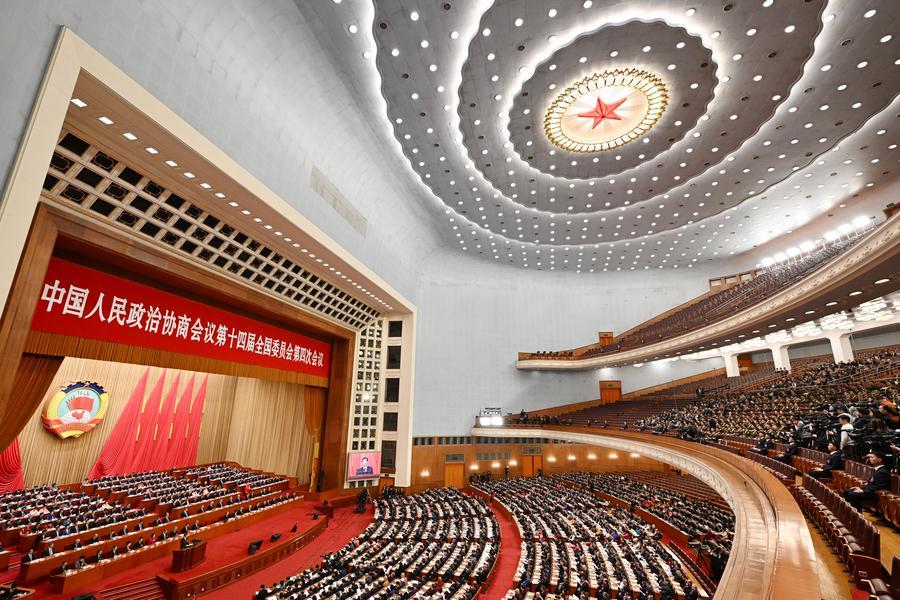
For China's national "two sessions" this year, all eyes are on the 15th Five-Year Plan, a blueprint guiding the nation's economic, social, and technological priorities over the next five years.
As China's annual "two sessions" wrapped up, a people-centered vision has taken center stage, aiming to tap domestic demand and guide the economy toward a more sustainable trajectory.
Chinese Premier Li Qiang delivered the government work report on behalf of the State Council at the opening meeting of the fourth session of the 14th National People's Congress on Thursday. Here are the key points.
New forms of employment — based on the development of the gig economy, platform jobs and flexible work — have grown into important channels for Chinese people to enrich their career options and increase incomes, and the government will step up efforts to improve the workers' rights by optimizing social security programs.
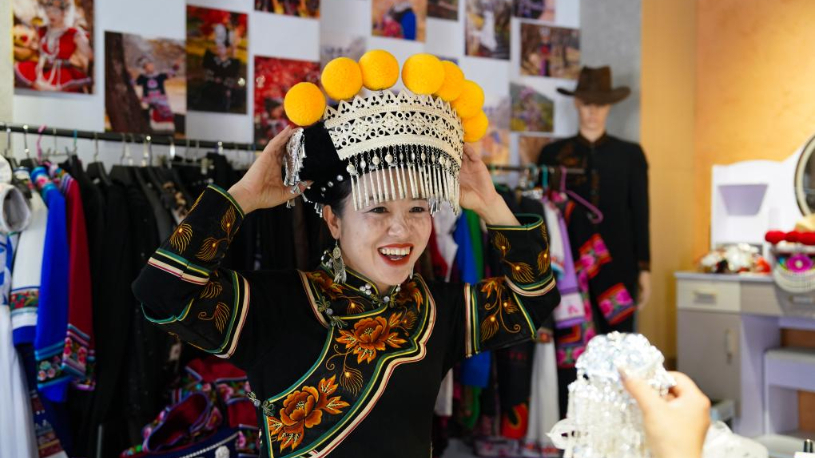
At this year's two sessions, Liang Libin, a teacher from Guangxi, arrived at the Great Hall of the People carrying a stack of students'essays. She hopes every child in the mountains can enjoy fair and high-quality education — because in these exercise books lie the dreams of the children.
Nong Jiagui, a deputy to the 14th NPC, shared how he helped transform a once nameless "leprosy village" into a cradle of hope. Over four decades as the village's only teacher, he has helped 126 children from a mountainous rural area gain access to higher education.
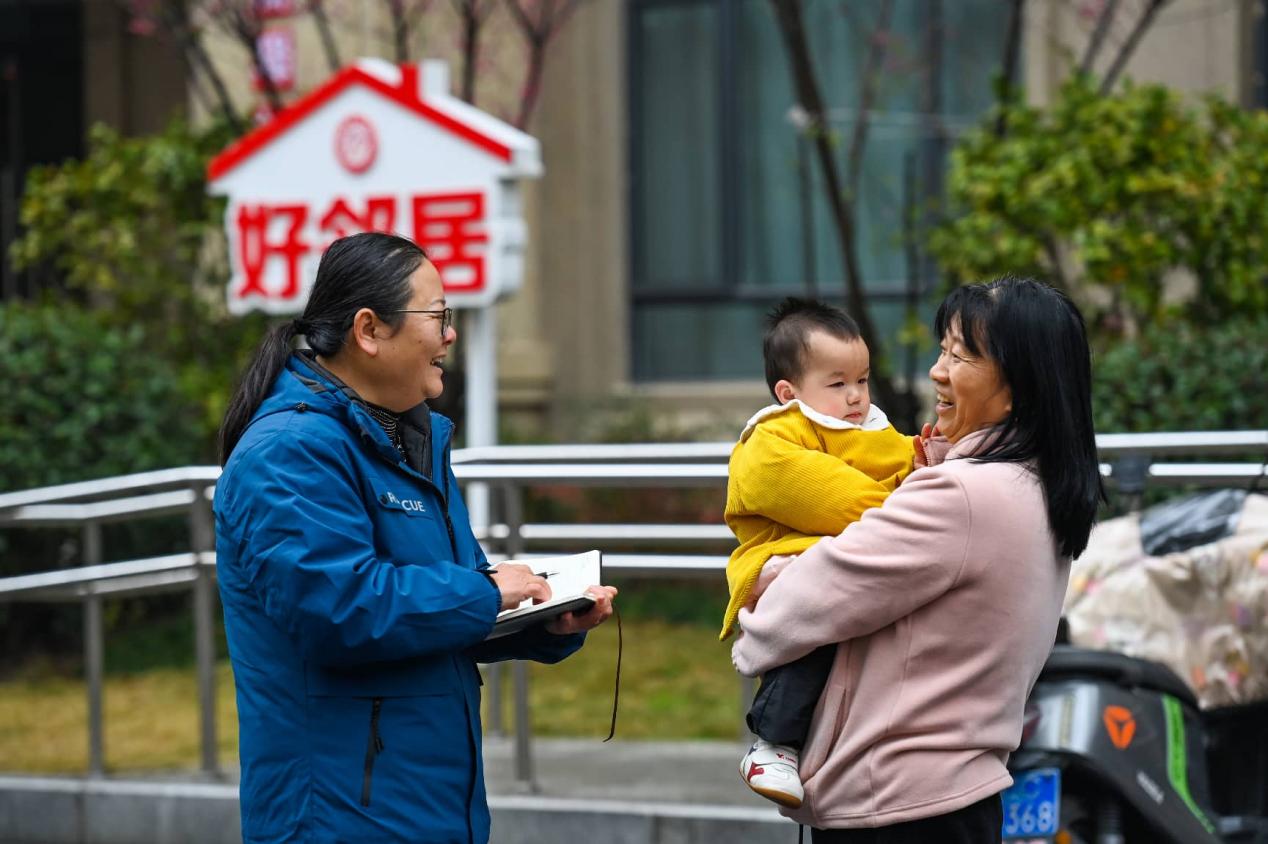
Promoting the building of a Healthy China is a solemn commitment the Party has made to the people. A commitment is weighty as a thousand pieces of gold, and actions must be persistent. The tremendous dedication the Party and the state have poured into the people's health is felt most deeply by the people themselves.
A legislative outreach office in Shanghai's Changning District has become a landmark in China's democratic progress. Residents can offer suggestions and feedback on legislative work close to home. Through this office, the opinions of local residents gathered by legislators were relayed to higher levels and taken into consideration during the process of legislation.

In the transition period over the past five years to consolidate the gains of China's hard-won victory over extreme poverty, President Xi Jinping has called for sustained and targeted assistance to prevent a large-scale relapse into poverty and to integrate long-term support into the rural vitalization initiative. Xi has repeatedly stressed that while China's focus has shifted toward high-quality development, the importance of rural work should not diminish.
Perched over 4,500 meters above sea level in Nagqu of Xizang Autonomous Region stands the Nagqu Special Education School of China. The school is dedicated to fostering essential life skills for children with disabilities, while ensuring specialized door-step education and rehabilitation services—making sure that no child is left behind.

Sponsor: China Society for Human Rights Studies
Copyright by China Intercontinental Communication Co., Ltd. All Rights Reserved.
| About Us | Contact Us |